COOPERATION AND SOCIAL DECISIONS
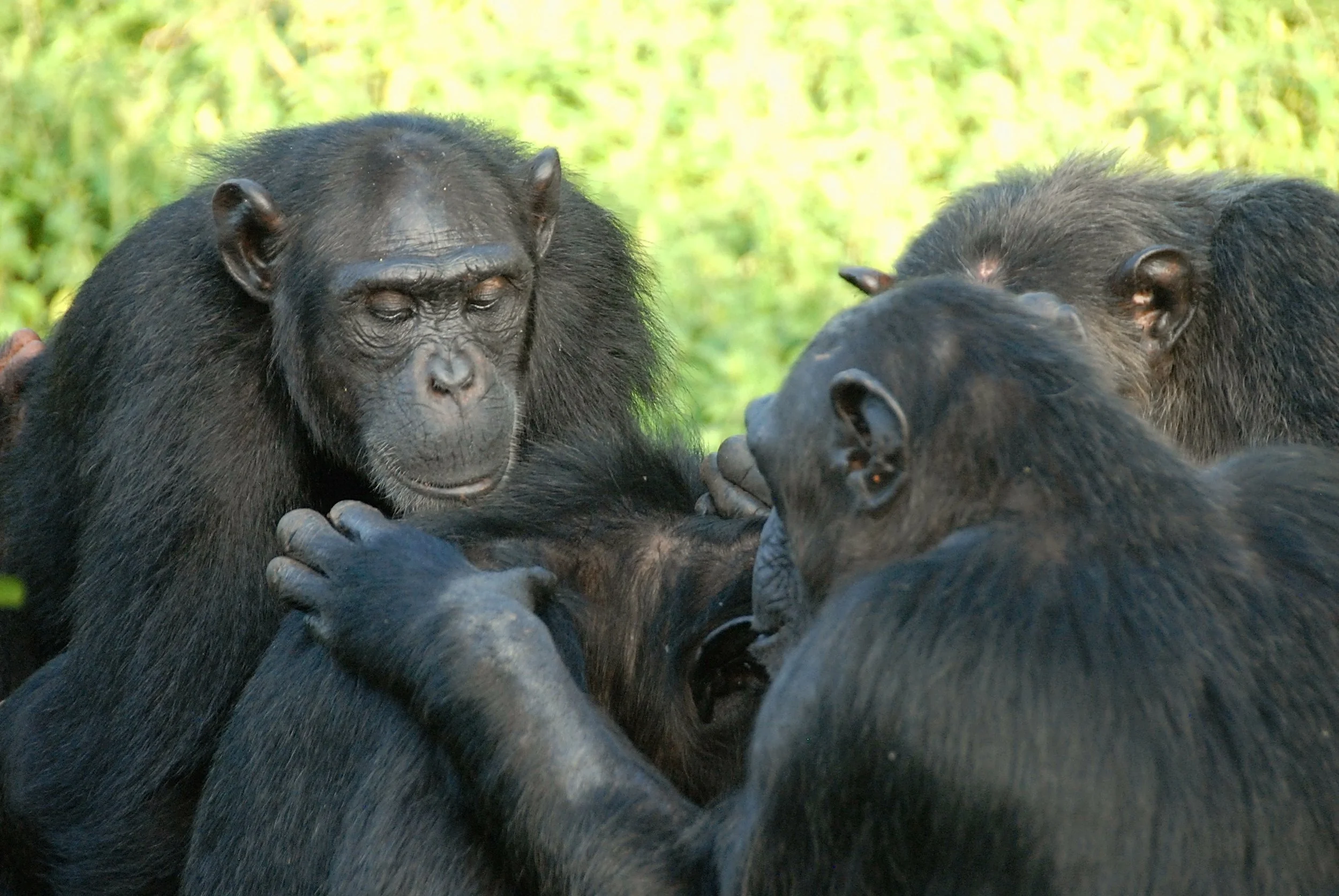
Our research investigates the cognitive and motivational mechanisms underlying cooperative behaviour in human children and adults, and in other great apes.
We take an interdisciplinary approach, drawing on theory and methodology from psychology, anthropology, behavioural economics, and evolutionary biology.
Research




Latest Publications
Do chimpanzees get the point?
They do, as long as they’re paying attention. Our new study shows chimpanzees follow human pointing when their attention is engaged. iScience, 2026 → Read the study
Is generosity a long game?
We explored how future planning skills, patience and risk tolerance shape human adults’ decisions to help others first. Scientific Reports, 2026 → Read the study
Principal Investigator

I study the evolutionary and developmental origins of human cooperation, with the aim of better understanding the mechanisms that support and promote it. My research compares chimpanzees, children and adults to identify which cognitive and motivational skills enable us to work together, help and share with others, and exchange favours, and which of these may be uniquely human.
I studied Biology at the Freie Universität Berlin and completed my PhD in Psychology at the Max Planck Institute for Evolutionary Anthropology in Leipzig, where I stayed on as a postdoc until 2012. I then moved to the UK as an Assistant Professor in the Behavioural Science group at Warwick Business School, and in 2019 joined UCL’s Department of Experimental Psychology as an Associate Professor. I teach across MSc and undergraduate modules in social cognition and decision making. I am also Deputy Enterprise Director of the UCL Behavioural Insights Hub, where I deliver behavioural science workshops for professionals through Changing Minds.